
Laabu zanka kaŋ ga pétrol, uranyom, wayna nda energi ŋwaaray kaŋ ga tonton.
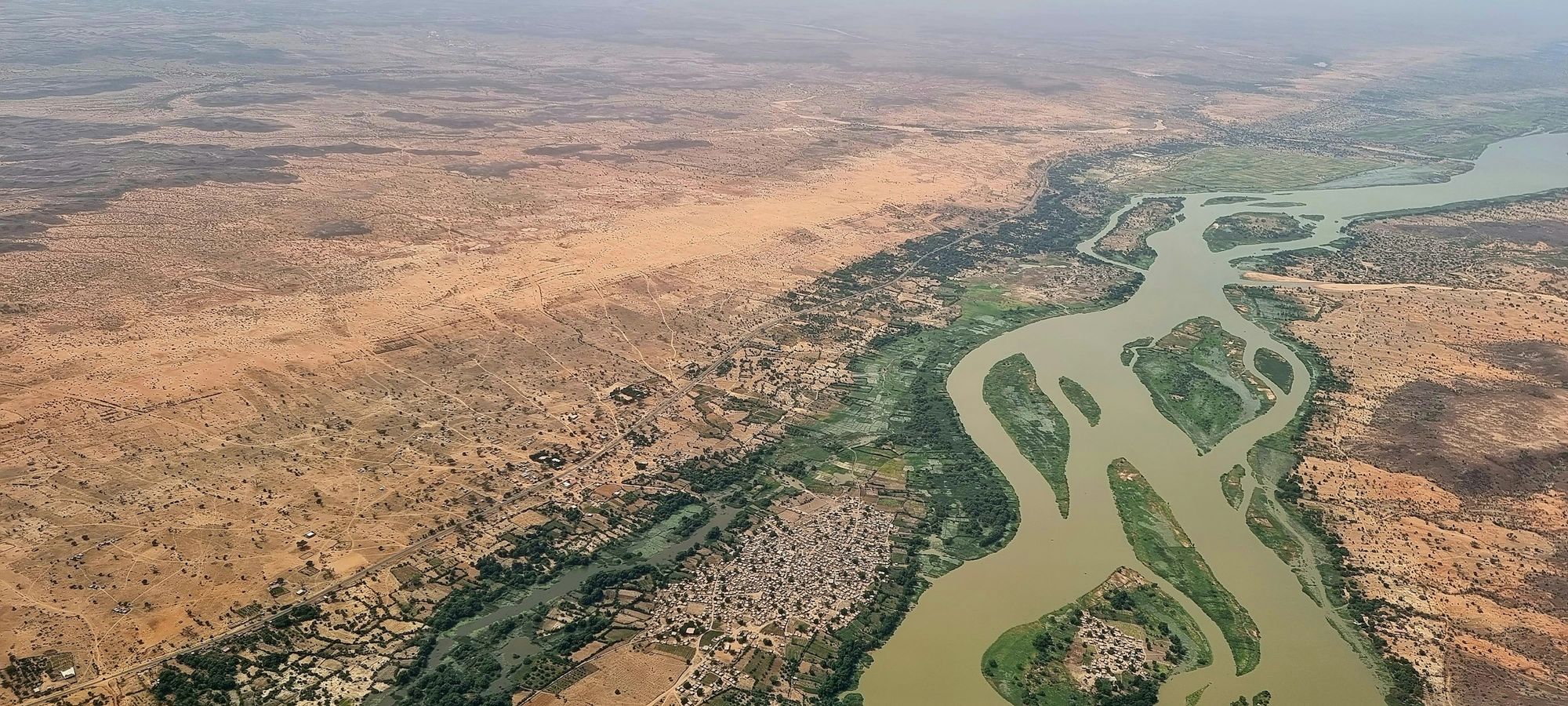
Sahel biya ra, dogo kaŋ Afrika tonton kaŋ ga kaa go.
- Borey 2026 ra (UN), kaŋ ga tonton 3.2% jiiri kulu
- 28.8 miliyɔŋ
- Borey kaŋ i ga hima 2050 ra
- Ga bisa miliyɔŋ 50
- Jiiri hinza ra
- Ga cabe 16
- Hirro; laabu kaŋ ga beeri Afrika Hawsa Haray ra
- 1,267,000 km²
Mate se Nižer
- Borey kaŋ ga ƴaaray ka tonton, nda kasuwa kaŋ stasiyɔŋ zamanay kayna go a ra.
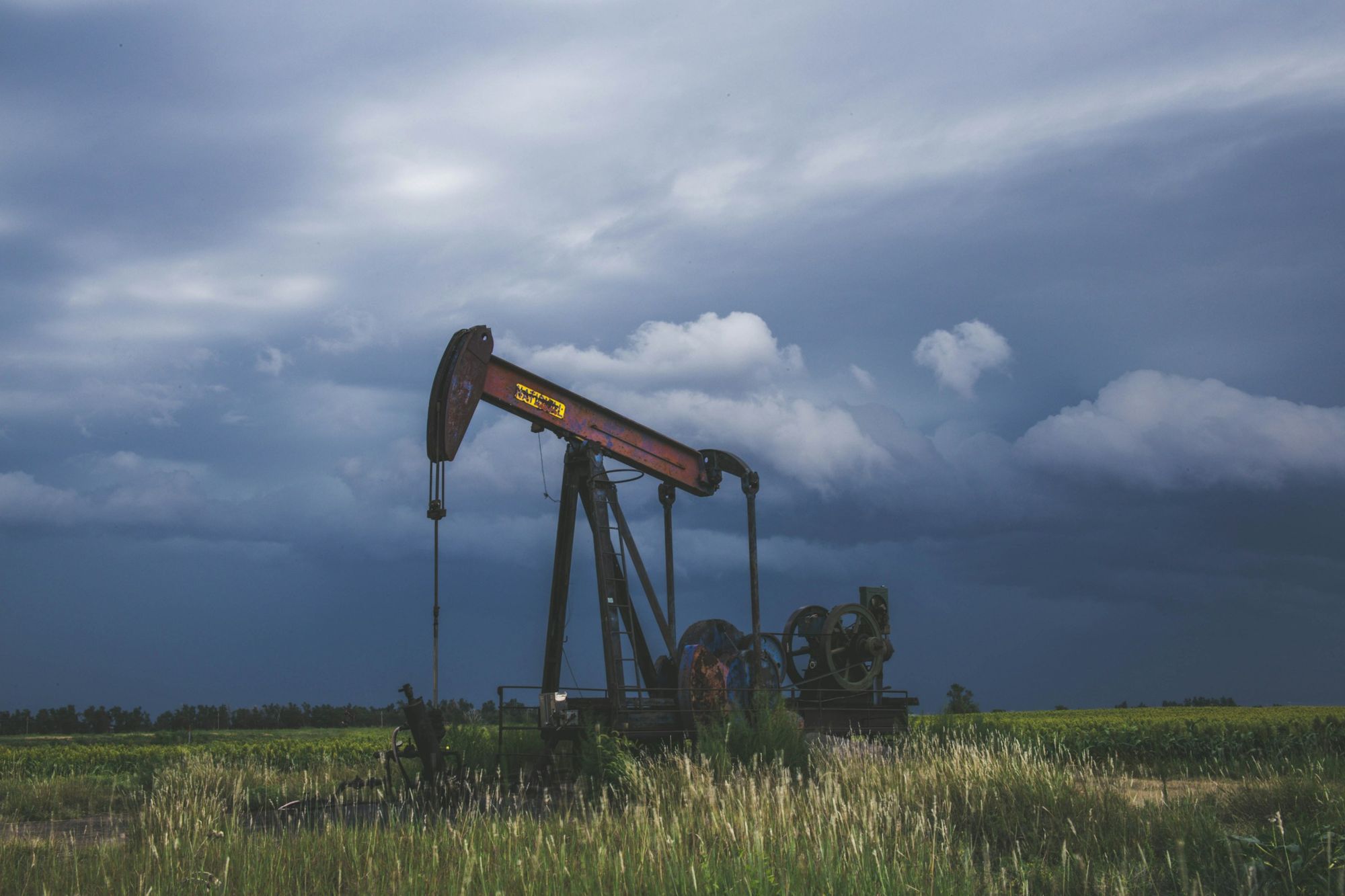
- Pétrol produksiyɔŋ nda infrastrikcir kaŋ ga laabu energi ravitayman tonton.
- Dogo kaŋ ga cindi hari ra, kaŋ ga Nigeria, teeku nda Sahel haw.
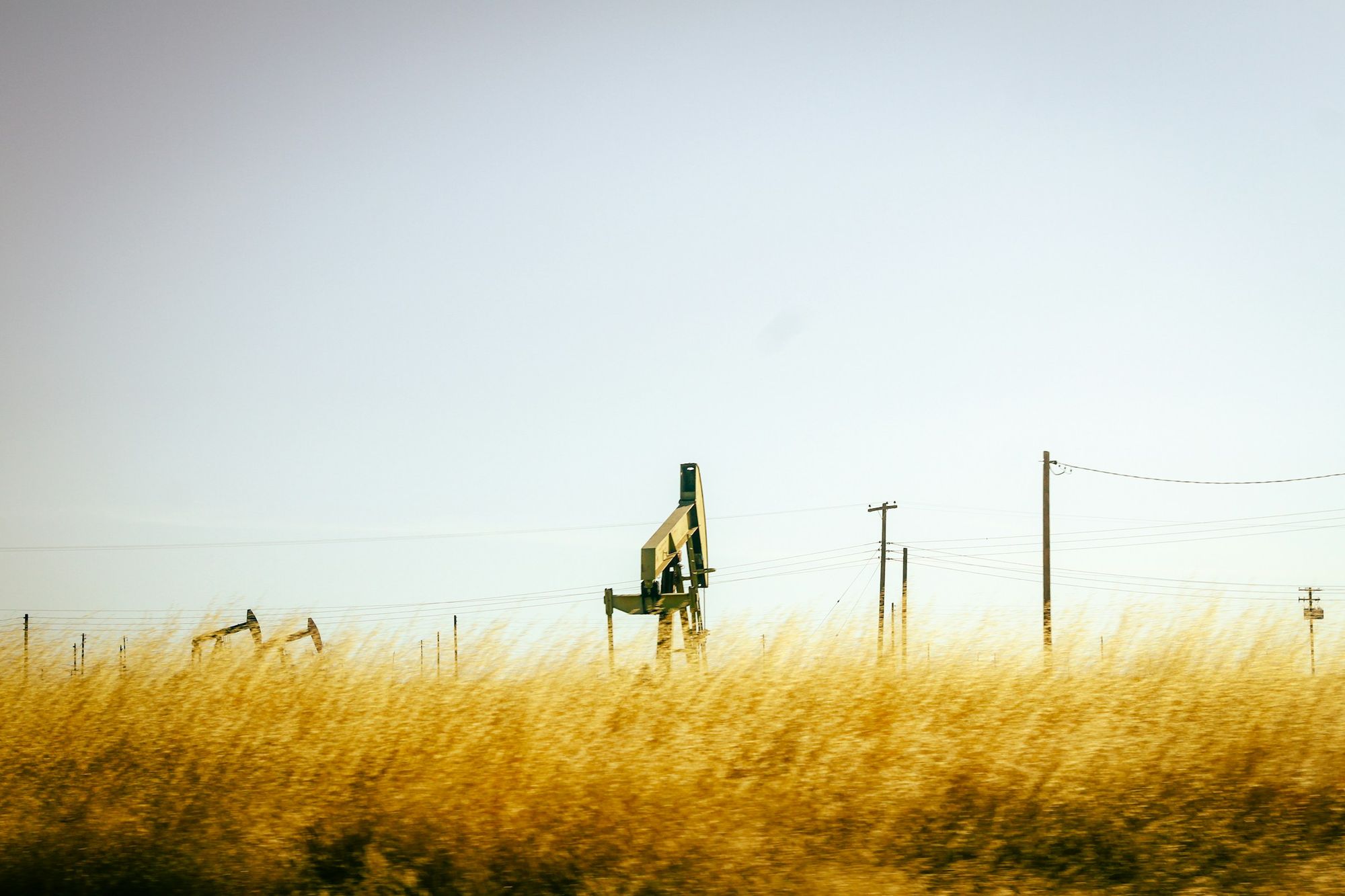
- Wayna nda gaz power-as-a-service se, stasiyɔŋ kaŋ ga wayna taaru nda ŋwaari ŋwaaru karbirant tonton.
- Rafineri projet tajé kaŋ MEA ga stakeholder dogo ra, a ga hima ka ciya offtaker produksiyɔŋ kaŋ ga bisa se.
Haya kaŋ go cina cire
Agriculture and livestock employ most Nigeriens and make up around two fifths of the economy, while Oil, uranium and gold are growing in importance. The Agadem fields in the east produce crude, which travels by pipeline, ~2,000 km, to the coast of Benin. A refinery at Zinder supplies part of the home market. Niger is one of the world's largest uranium producers, and it has some of the best solar conditions in the world. It borders seven countries, so fuel and goods move through it to a wide region.
Kuuku kaŋ go ga tun
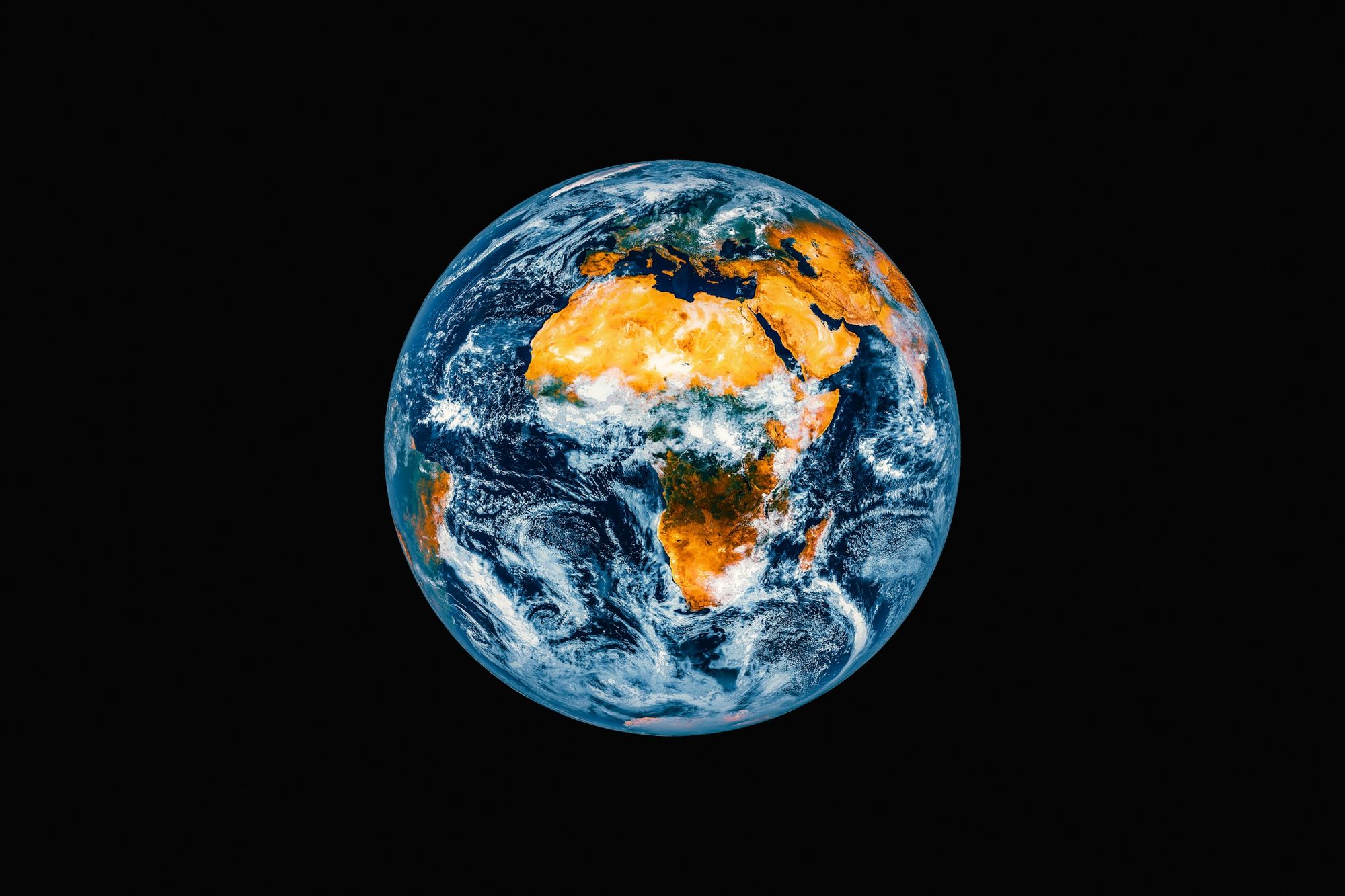
The Sahel, the belt of countries south of the Sahara from Mauritania to Chad, has around 100 million people and is one of the youngest regions in the world. Its population is expected to roughly double over the next 25 years, which means more homes, markets, vehicles, power plants and businesses, and growing demand for fuel, Gas and electricity. Africa as a whole has ~1.5 billion people today, with ~2.4 billion expected by 2050.
Talk to the team.
Tell us what you need and the right team will reply.
“Energi ya wura korey kaŋ ga tattalin arziki tonton, boro-nda-boro cimi gaabandi nda ganda hallasi haw.”