
Projects that anchor energy supply in Niger.
The Zimar refinery, the storage we plan to build across the country, and a network of stations.
- Refinery and petrochemical project, BOT
- Zimar
- Zimar completion
- ~5 years
- Storage across Niger
- Planned
- Stations planned
- 50+
A strategic anchor for the Sahel.
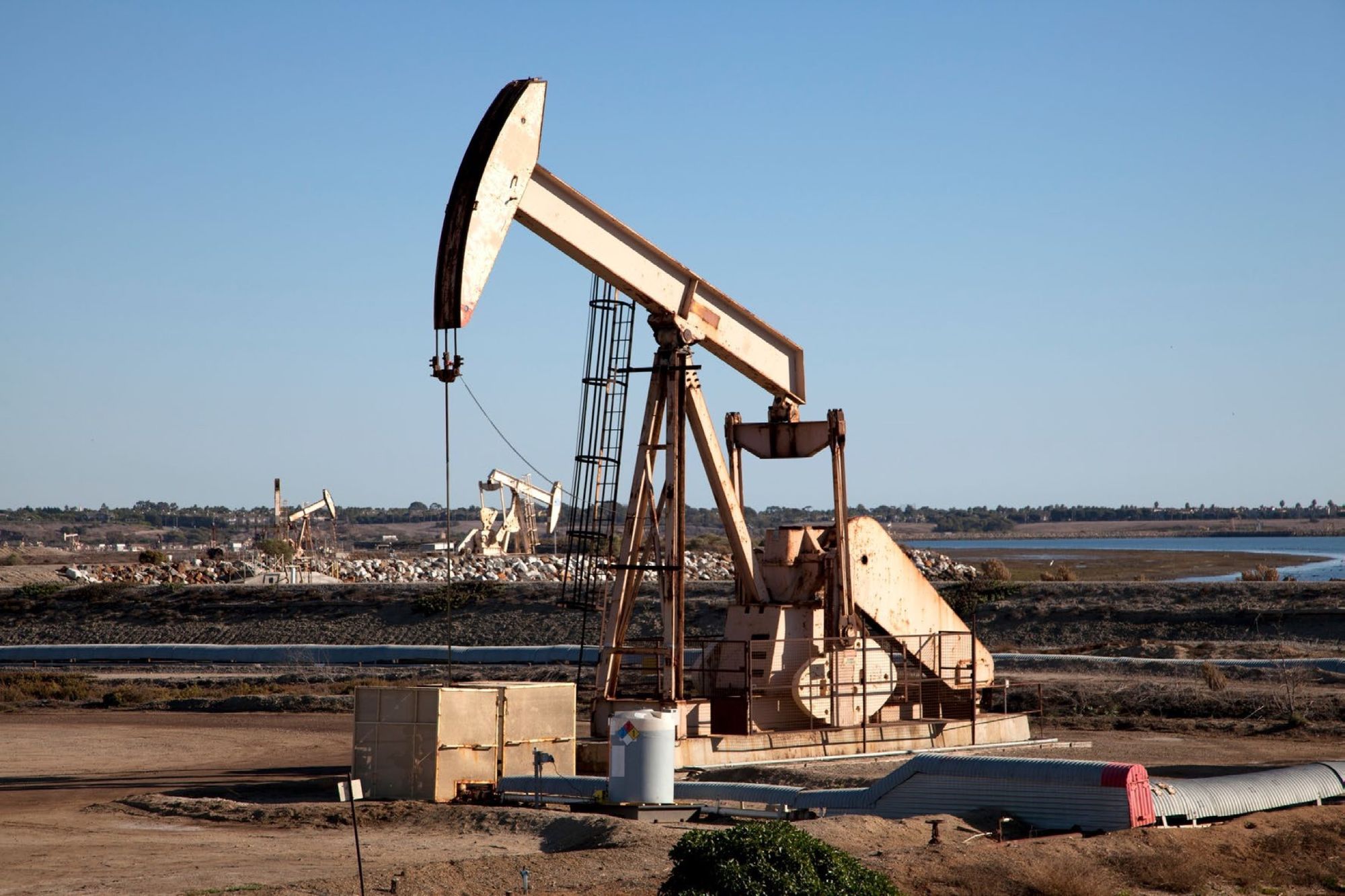
The Group holds a stakeholder position in the Zimar Group refinery and petrochemical project in Niger, developed with the Government of Niger. It is a build-operate-transfer (BOT) project. The developer builds the plant, runs it for an agreed period, and then hands it over. Completion is around five years out.
Niger produces more crude than it refines today. A new refinery means more of that crude can become fuel and petrochemical products at home, instead of leaving as crude and coming back as imports.
On completion, MEA Energy is the designated offtaker of excess refined-product volumes. That secures a long-term domestic supply source for Niger and the wider Sahel. It also puts MEA at both ends of the regional chain, the origin and the distribution.
From the refinery gate to the last mile.
- Stakeholder: the group holds a position in the project from the start.
- Offtaker: MEA takes the excess refined-product volumes once the refinery is complete.
- Logistics: our own fleet, with trucks from 500 to 50,000 litres, carries product to customers.
- Distribution: planned storage and a network of more than 50 stations take product to the customer.
- Supply today: until the refinery is ready, the group supplies Niger through its trading desk in Dubai and the Nigeria corridor.
A refinery, storage and stations work together.
Energy security
More fuel made and held inside Niger means supply depends less on one border, one corridor or one season.
Value at home
Refining crude in Niger keeps more of its value in the country, and makes products such as petrochemicals possible.
Jobs and skills
Building and running a refinery, storage and stations creates work for engineers, drivers, technicians and station teams.
A regional supply base
Landlocked neighbours across the Sahel can be supplied from Niger over time.
Storage across the country, close to demand.
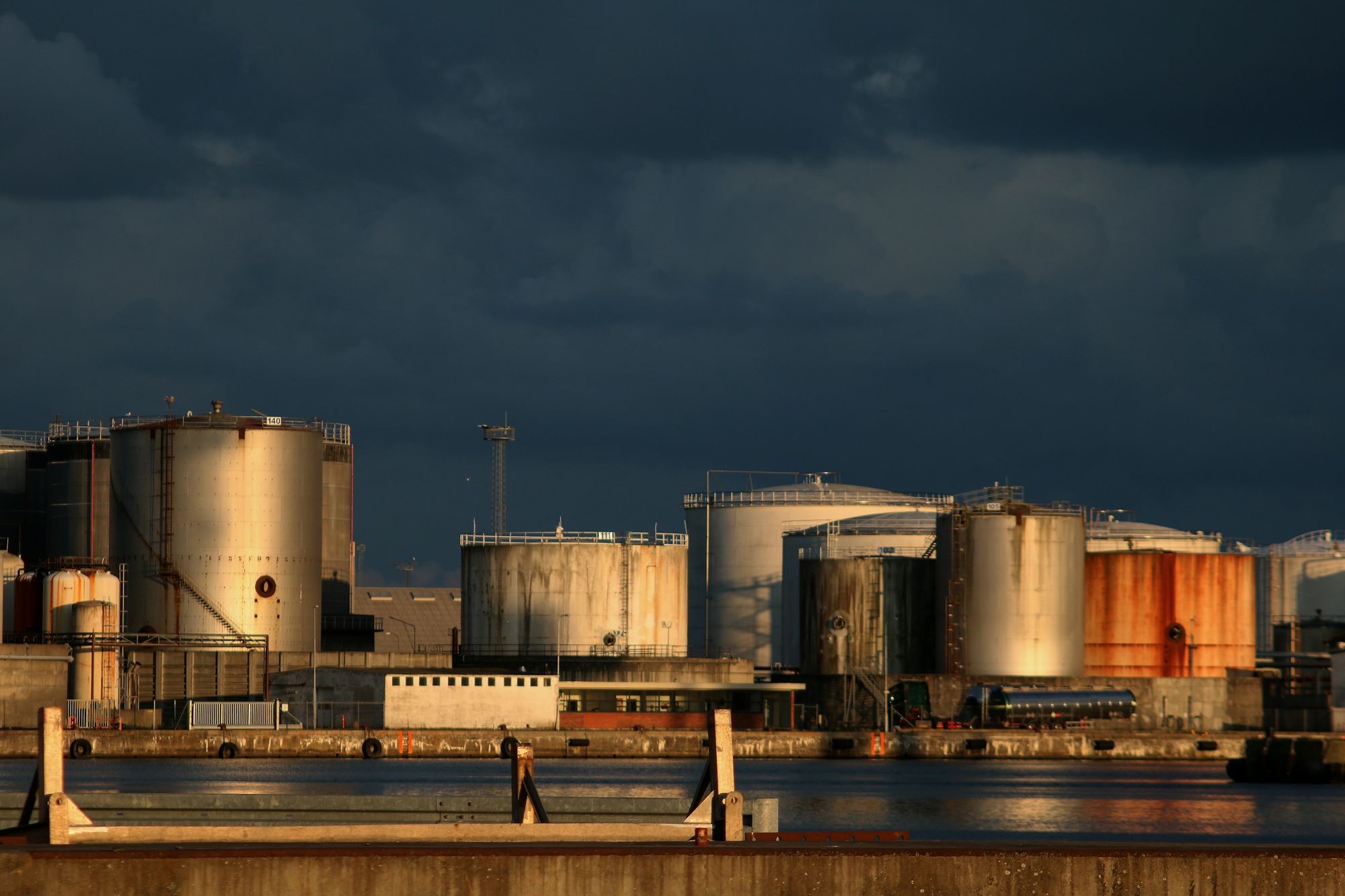
We plan to build storage across Niger. With tanks close to the customer, we can buy product when it is available, hold it safely, and send it out on our own fleet the moment it is needed. Supply stays reliable even when a corridor is slow. Together with our fleet and our planned stations, storage is how we intend to give Niger a local, dependable source of fuel.
Storage also gives the country a buffer. Product held in several places, close to where it is used, lets customers keep running through a delay on the road or at the border.
- Storage tanks across the country, close to demand.
- Product held for retail, commercial and industrial customers.
- A stronger base for supplying the wider Sahel.
- A buffer that keeps supply steady through delays.
A network of more than 50 stations.
MEA plans a network of more than 50 stations across Niger. They will be data-driven, and built to the same standard as the Nigerian network: honest measure, quality-assured product, clean and safe forecourts, digital payment and trained local teams. The station is where the refinery, the storage and the fleet finally reach the customer.
From supply today to a refinery tomorrow.
Today
Supply to Niger through the Nigeria corridor, with Cotonou and Lomé as further routes, carried by our own fleet.
Next
Storage across Niger and a network of more than 50 stations.
Long term
Zimar refinery completion, about five years out, and MEA offtake of excess refined-product volumes.
What it means
- A long-term domestic supply source for Niger and the wider Sahel.
- A stake at the origin of the chain, matched by storage, MEA's own fleet and planned stations at the distribution end.
- Part of a wider set of partnerships with national Oil companies, refiners and states.
Interested in partnering on a project in Niger?
“Not only the wealth; but the independence and security of a Country, appear to be materially connected with the prosperity of manufactures.”