
A young country with Oil, uranium, sun and a fast-growing demand for energy.
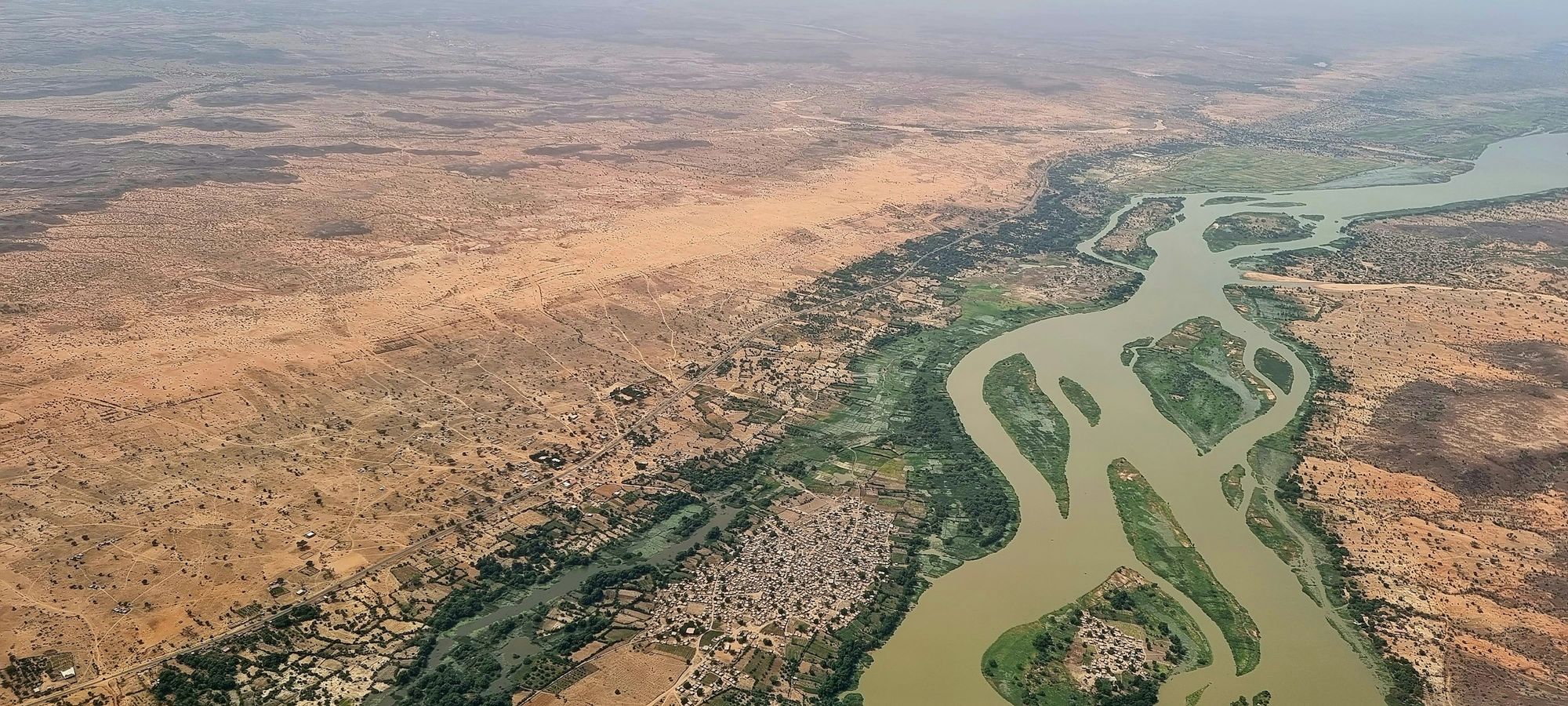
At the heart of the Sahel, where Africa's next growth is.
- People in 2026 (UN), growing 3.2% a year
- 28.8 million
- Expected population in 2050
- Over 50 million
- Median age
- Under 16
- Area; the largest country in West Africa
- 1,267,000 km²
Why Niger
- A young, fast-growing population and a market with very few modern fuel stations.
- New Oil production and infrastructure that are raising local energy supply.
- A central position that links Nigeria, the coast and the Sahel.
- Sun and Gas for power-as-a-service, solar-powered stations and cooking-fuel growth.
- A new refinery project in which MEA has a stakeholder position and expects to be an offtaker of excess production.
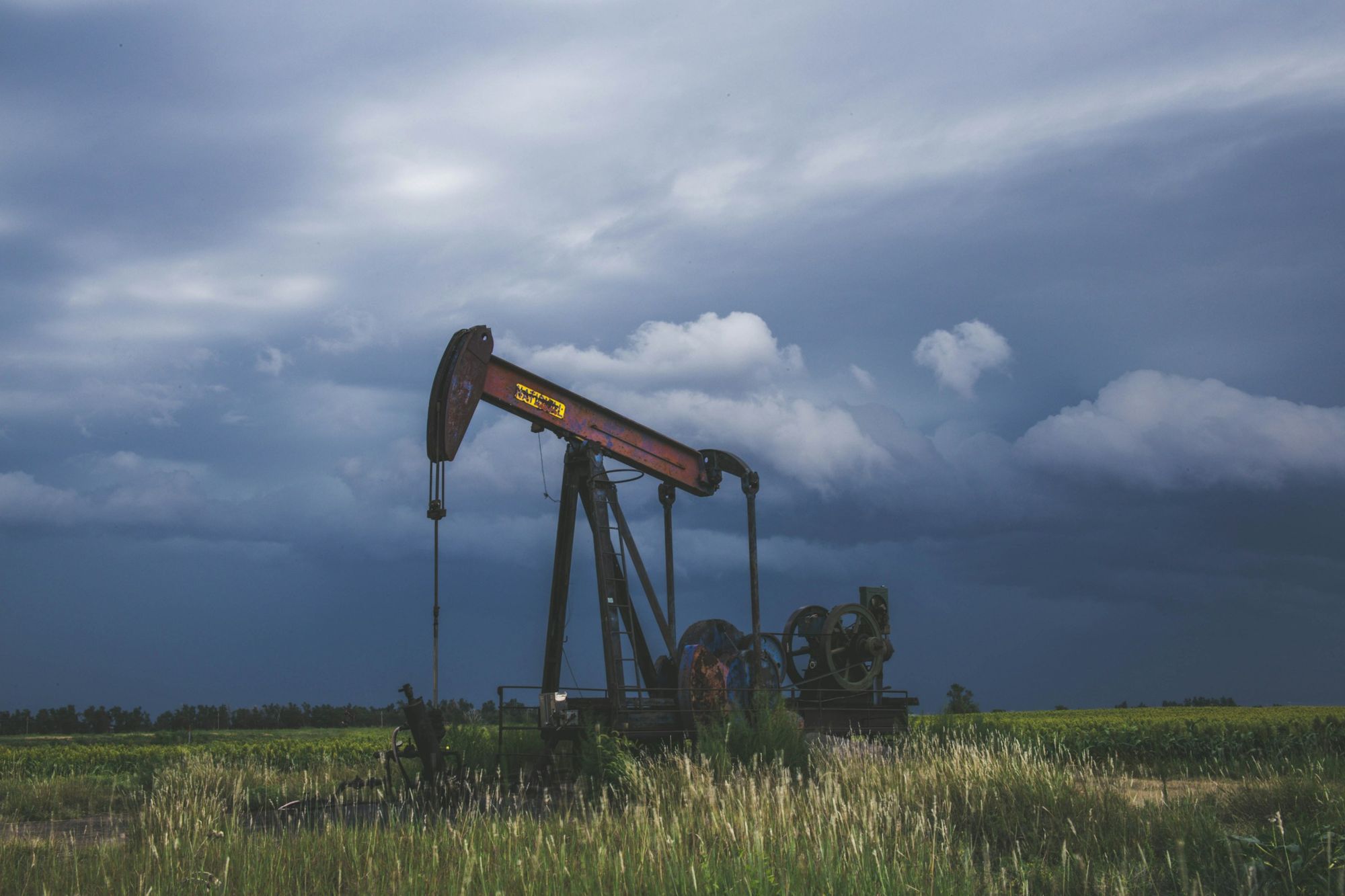
What lies under the sand
Agriculture and livestock employ most Nigeriens and make up around two fifths of the economy, while Oil, uranium and gold are growing in importance. The Agadem fields in the east produce crude, which travels by pipeline, ~2,000 km, to the coast of Benin. A refinery at Zinder supplies part of the home market. Niger is one of the world's largest uranium producers, and it has some of the best solar conditions in the world. It borders seven countries, so fuel and goods move through it to a wide region.
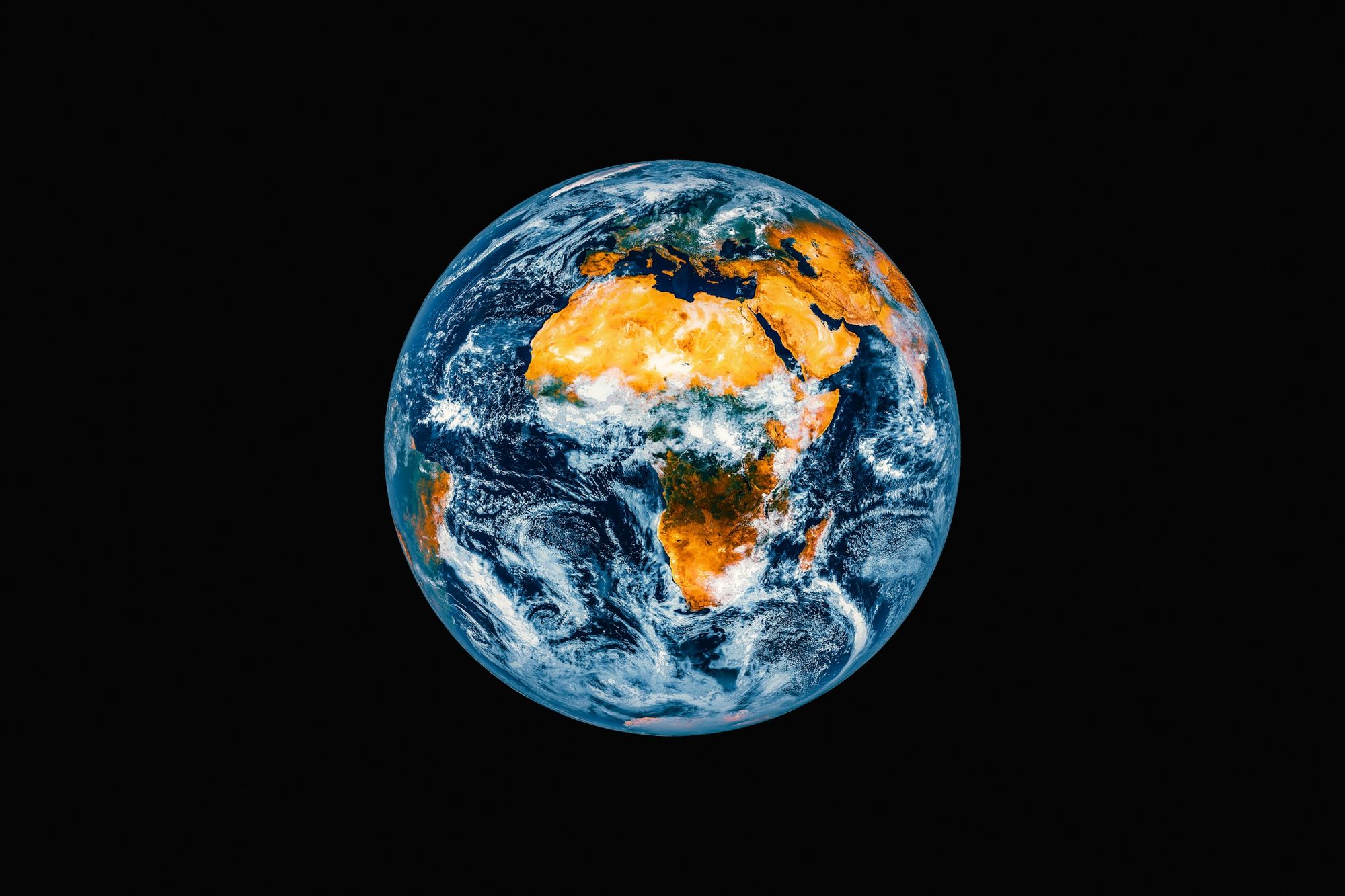
A region on the rise
The Sahel, the belt of countries south of the Sahara from Mauritania to Chad, has around 100 million people and is one of the youngest regions in the world. Its population is expected to roughly double over the next 25 years, which means more homes, markets, vehicles, power plants and businesses, and growing demand for fuel, Gas and electricity. Africa as a whole has ~1.5 billion people today, with ~2.4 billion expected by 2050.
Talk to the team.
Tell us what you need and the right team will reply.
“Energy is the golden thread that connects economic growth, increased social equity and preserving the environment.”