
Leydi sukaaɓe e nebbam, uranium, naange e naamɗi energi ɗi ɗon ɗuuɗa pamaro.
Nder ɓiɗɗo Sahel, ɗo ɓeydaare Afrika jaɓaaɗum woni.
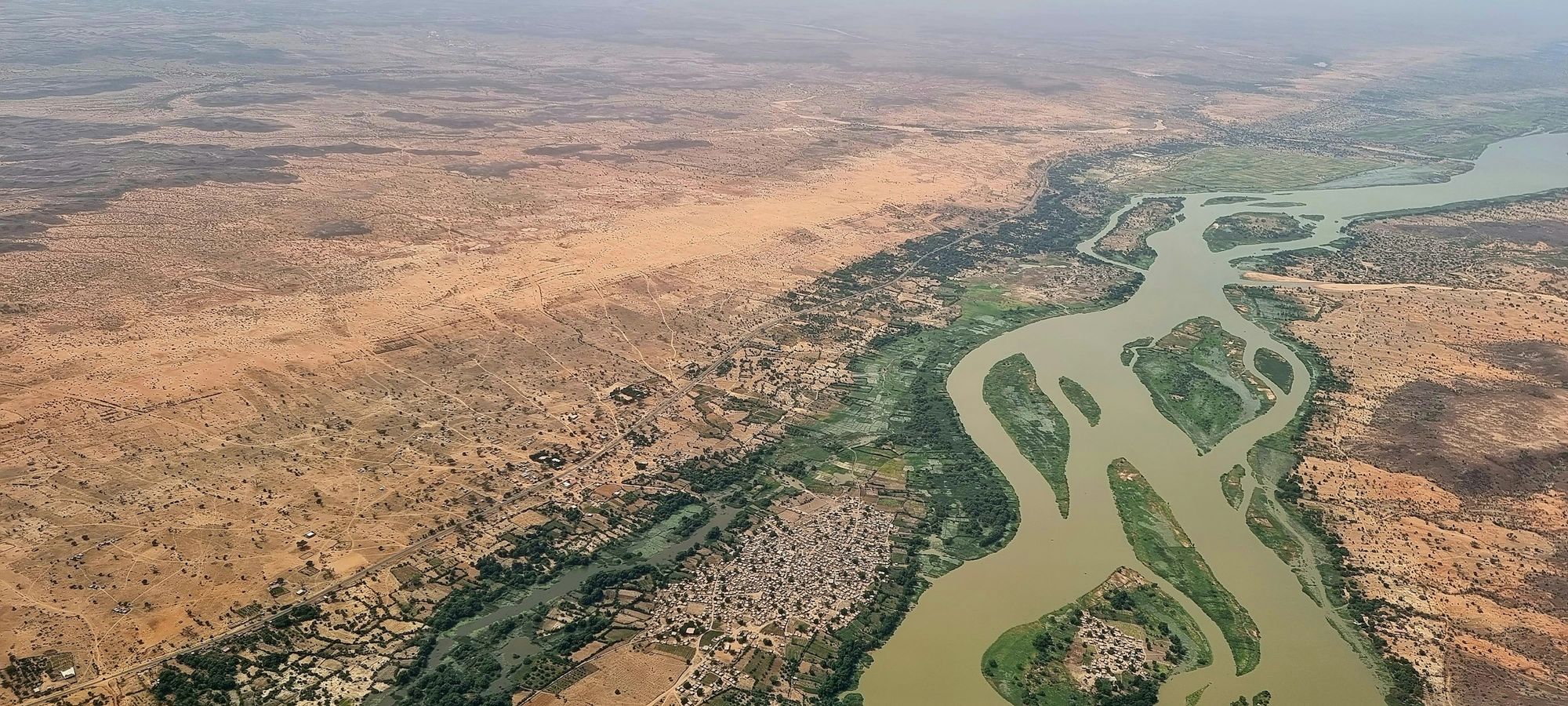
- Yimɓe 2026 (UN), ɗum ɓeydoo 3.2% kala duuɓi
- Miliyoŋ 28.8
- Yimɓe ɗe ɗerɓaama nder 2050
- Ɓurɗo 50 miliyoŋ
- Duuɓi hakkunde
- Ley 16
- Yaajeende; leydi ɓurɗum mawnude Afrika Hirnaange
- 1,267,000 km²
Ngam ɗume Niger
- Yimɓe sukaaɓe ɓe ɓeydata ɓaawo e wuro ɗu station fuel ɓurɗe moderen ɗuuɗaaki.
- Yaltinol nebbam kesum e kuuɗe ɗe ɓeydata nguuru nokkuure.
- Hakkunde ɓurɗum, ndu haɓɓina Nijeriya, hoore maayo e Sahel.
- Naange e gas ngam nguuru ɗu ngaɗetee ɗum kuugal, station ɗe nguuru naange, e ɓeydaare fuel ñaamugol.
- Kuuɗe refinery heso ɗe MEA woodi jeyal tiimoojo e ɗum yiɗi wonugo kuutiniroowo ko ɓuri nder waɗugol.
Ko woni les ceeki
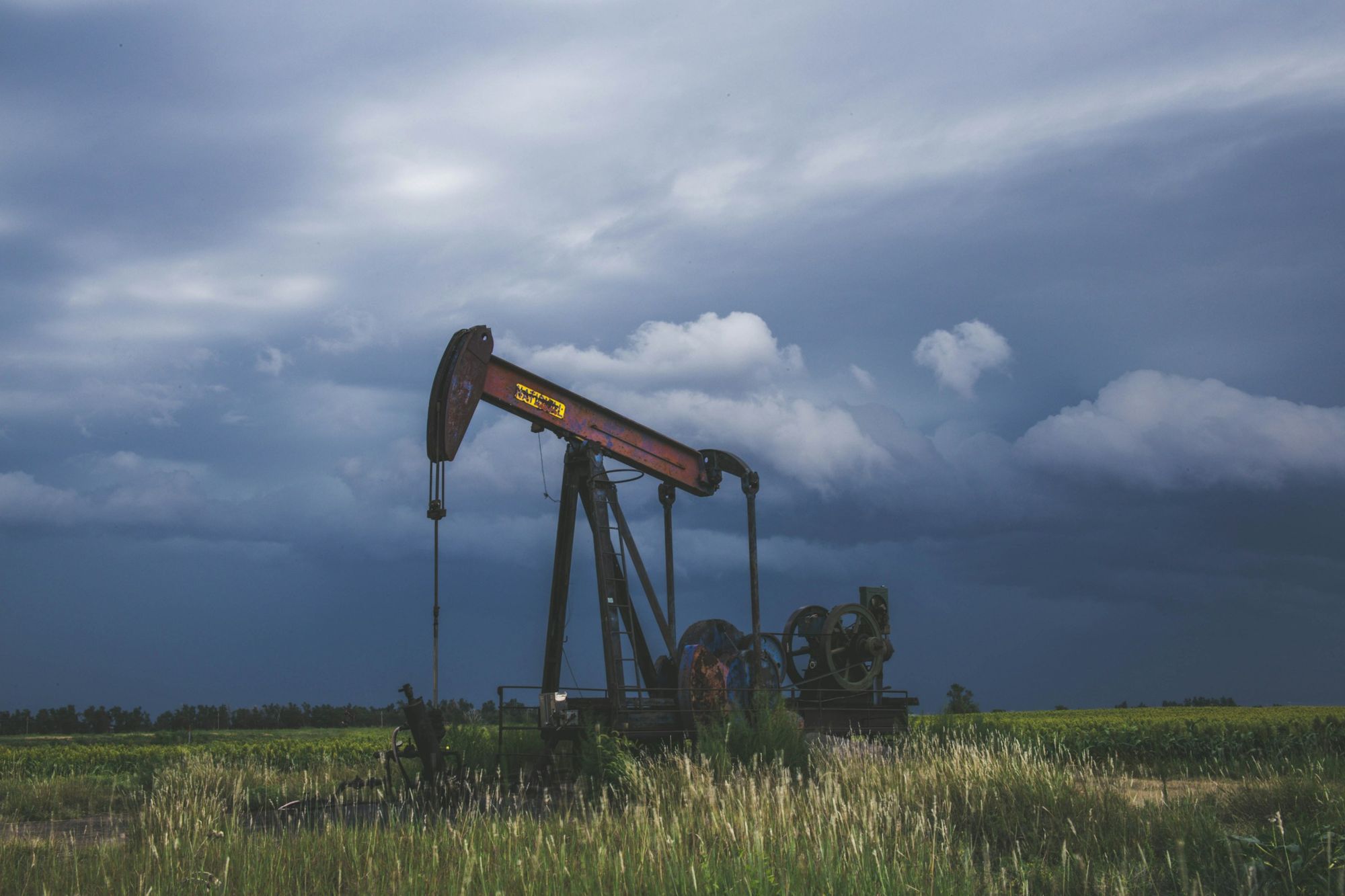
Agriculture and livestock employ most Nigeriens and make up around two fifths of the economy, while Oil, uranium and gold are growing in importance. The Agadem fields in the east produce crude, which travels by pipeline, ~2,000 km, to the coast of Benin. A refinery at Zinder supplies part of the home market. Niger is one of the world's largest uranium producers, and it has some of the best solar conditions in the world. It borders seven countries, so fuel and goods move through it to a wide region.
Region ina ngaɗi
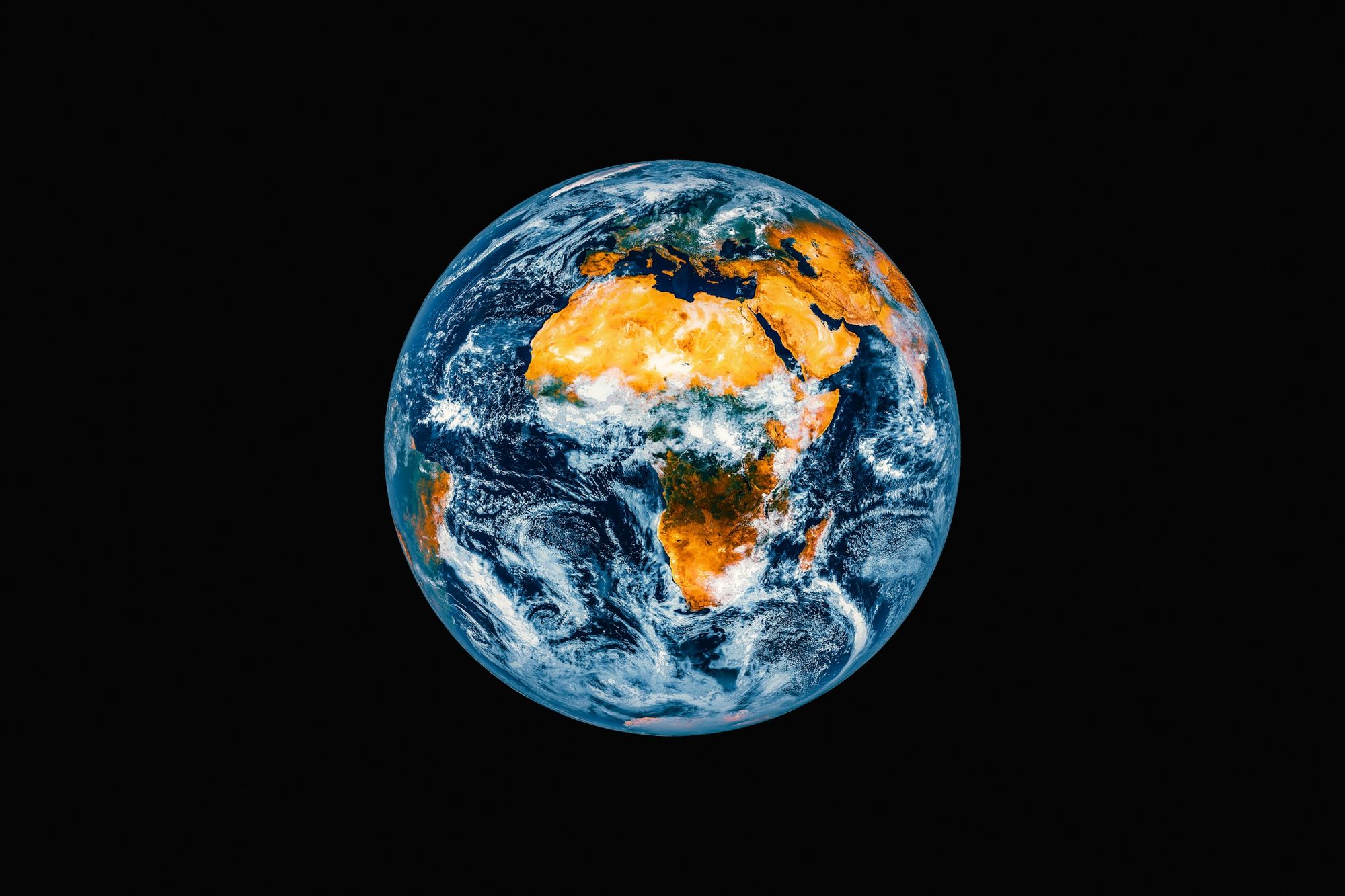
The Sahel, the belt of countries south of the Sahara from Mauritania to Chad, has around 100 million people and is one of the youngest regions in the world. Its population is expected to roughly double over the next 25 years, which means more homes, markets, vehicles, power plants and businesses, and growing demand for fuel, Gas and electricity. Africa as a whole has ~1.5 billion people today, with ~2.4 billion expected by 2050.
Talk to the team.
Tell us what you need and the right team will reply.
“Nguuru ɗum filo ɗuɓɗo ɗu hawta ɓeydaare ekonomi, ɓeydaare ɓaawo-ɓaawo e aynugol ladde.”